Fire Marshal Guide: How to Use a Fire Extinguisher Correctly

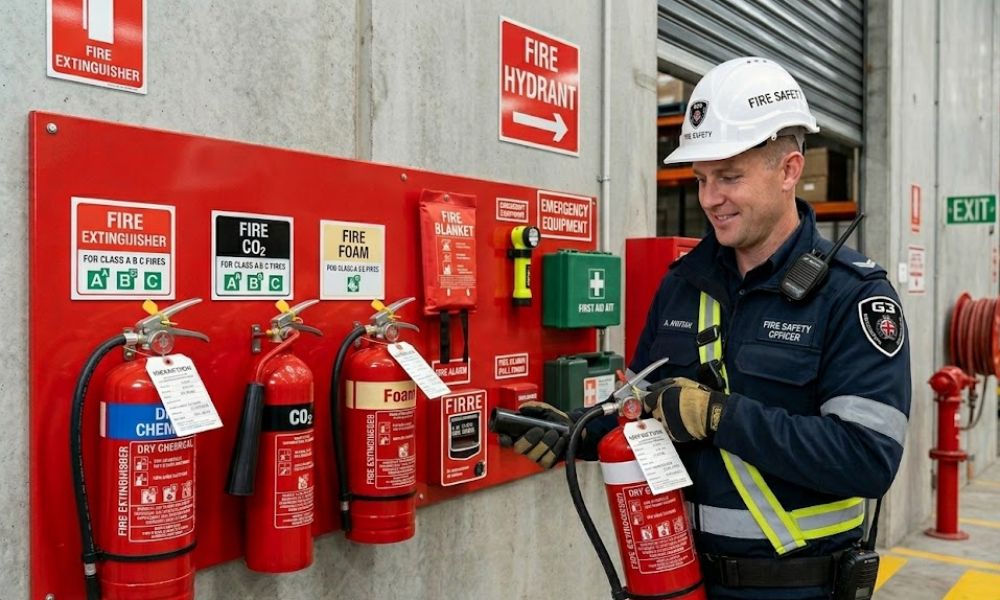
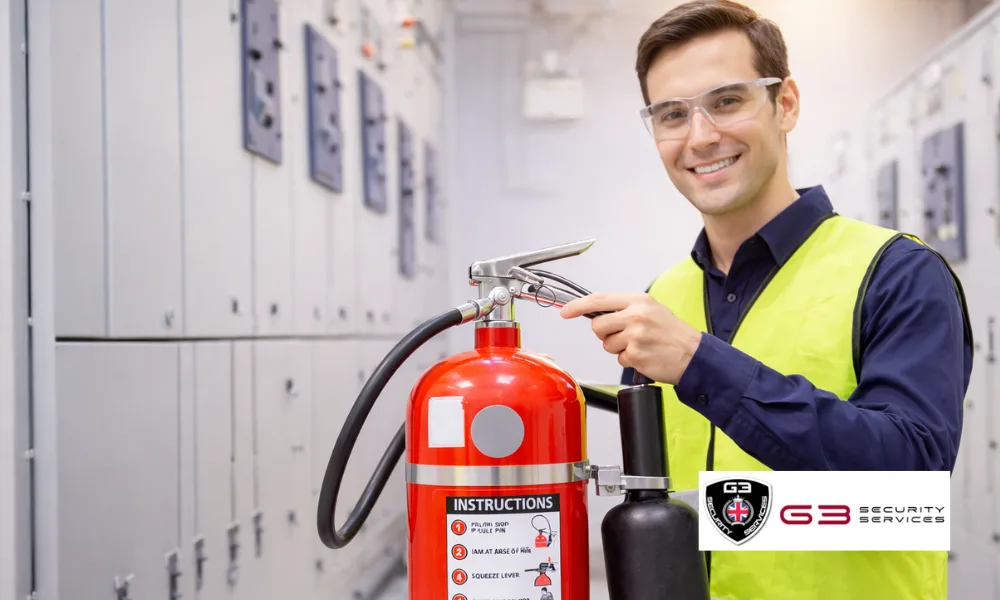
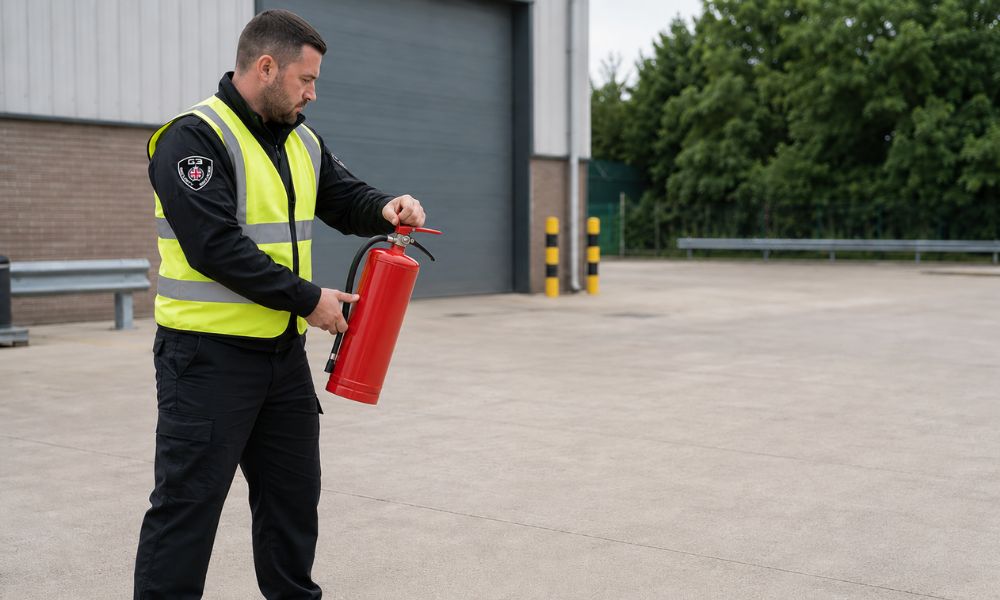
Fire extinguishers can help control a small fire before it spreads, but knowing how and when to use one is just as important as having the equipment available. Using the wrong extinguisher or attempting to tackle a fire that has already become dangerous can put people at greater risk. For fire marshals, understanding the correct procedure is an important part of supporting workplace fire safety. A fire marshal should be familiar with the extinguishers provided on the premises, the risks they are designed for, evacuation procedures, and their responsibilities during an emergency. Fire extinguishers should only be used when it is safe and appropriate to do so. Personal safety and a clear means of escape should always take priority over attempting to fight a fire. Why Proper Fire Extinguisher Use is Important A small fire can develop quickly, particularly when combustible materials, flammable liquids, or electrical equipment are nearby. An appropriate fire extinguisher may help control an early-stage fire, but incorrect use can make the situation more dangerous. Businesses should therefore provide suitable firefighting equipment based on the risks present within their premises. Equipment should be properly installed, tested, and maintained, while employees who may need to use it should receive appropriate training. Fire marshals who are expected to take a more active role should understand both how the equipment operates and when evacuation is the safer response. Understand the Different Classes of Fire Not every fire involves the same type of material, which is why different fire extinguishers are designed for different risks. Understanding the fire class can help a trained person determine whether the available extinguisher is suitable. In the UK, Class A covers solid combustible materials such as wood, paper, and textiles. Class B covers flammable liquids, Class C relates to gases, Class D involves metals, and Class F covers cooking oils and fats. Electrical equipment also presents a specific hazard that must be considered when selecting suitable firefighting equipment. Types of Fire Extinguishers and Their Uses Choosing an appropriate extinguisher is essential because no single type is suitable for every fire. The extinguisher provided in a particular area should reflect the hazards identified through the workplace fire risk assessment. Water Fire Extinguishers Water extinguishers are generally used for Class A fires involving materials such as wood, paper, and textiles. They are commonly found in premises where these ordinary combustible materials represent the main fire risk. Water should not be used where it would create an additional hazard, particularly on live electrical equipment or fires involving flammable liquids. Fire marshals should always check the extinguisher instructions and understand its intended use before an emergency occurs. Foam Fire Extinguishers Foam extinguishers can be suitable for certain Class A and Class B risks. They work by helping suppress the fire and can be found in commercial environments where both ordinary combustible materials and appropriate flammable-liquid risks are present. The suitability of a particular extinguisher depends on its rating and the specific hazard involved. Staff should therefore follow the extinguisher label, workplace procedures, and their fire-safety training rather than assuming that foam is appropriate for every situation. CO2 Fire Extinguishers Carbon dioxide extinguishers are commonly associated with electrical equipment and certain Class B flammable-liquid risks. Because CO2 does not leave the type of residue associated with some other extinguishing agents, it is often provided near electrical equipment. Fire marshals should still be trained in its safe use. The discharge can be extremely cold, and the extinguisher should only be handled according to its instructions and workplace training. Dry Powder Fire Extinguishers Dry powder extinguishers can address several types of fire depending on their specific rating. They may be suitable for certain Class A, B, and C risks, but their suitability depends on the environment and the type of powder provided. Powder can significantly reduce visibility and may cause breathing difficulties in enclosed areas, so its use requires careful consideration. Businesses should select extinguishers according to their fire risk assessment and competent fire-safety advice. Wet Chemical Fire Extinguishers Wet chemical extinguishers are primarily associated with Class F fires involving cooking oils and fats. They are therefore commonly used in commercial kitchens and other environments where deep-fat cooking presents a significant fire risk. These fires require particular care because using an unsuitable extinguishing method can make them considerably more dangerous. Staff working around these hazards should understand the equipment provided and follow appropriate fire-safety procedures. How to Choose the Right Fire Extinguisher Before attempting to use an extinguisher, a trained person needs to consider what is burning and whether the extinguisher available is designed for that particular risk. The information and fire classifications displayed on the extinguisher can help identify its intended applications. Fire marshals should become familiar with the extinguishers on their premises before an emergency happens. If there is uncertainty about the type of fire, the suitability of the extinguisher, or whether the situation can be handled safely, evacuation should take priority over attempting to fight the fire. Where Should Fire Extinguishers Be Located? Fire extinguishers need to be easy to locate and access during an emergency. UK fire-safety guidance states that portable extinguishers will typically be positioned at fire exits and along escape routes, while equipment for a particular hazard may be positioned near that risk where it can be used safely. Extinguishers should remain visible, accessible, and unobstructed by furniture, stock, equipment, or other stored items. Fire marshals can support workplace preparedness by reporting missing, damaged, obstructed, or incorrectly positioned equipment through the organisation’s established fire-safety procedures. How to Use a Fire Extinguisher Correctly A fire extinguisher should only be used if the person is trained or expected to use it, the extinguisher is suitable for the fire, and there is a safe route of escape. The manufacturer’s instructions and workplace fire procedures should always take priority. One commonly taught technique is the PASS method: Pull: Pull the pin to unlock the extinguisher. Aim: Aim the nozzle towards the base of the fire rather than the top

10 Practical Fire Safety Checklist for Every Business

Fire safety forms a core part of responsible business operations. Every workplace, regardless of size or sector, carries some level of fire risk. From electrical faults and kitchen equipment to storage of flammable materials, the potential for fire incidents exists in many everyday situations.A structured fire safety checklist helps businesses stay organised and aware of key safety measures. It supports day-to-day prevention, improves preparedness for emergencies, and reduces the chance of disruption caused by fire-related incidents. Fire Safety Checklist A fire safety checklist provides a structured way to review and manage key fire prevention and safety measures within a business. It helps organise essential tasks such as risk assessments, alarm systems, evacuation planning, and staff training into clear, actionable points. By following a checklist, businesses can keep fire safety responsibilities visible, consistent, and easier to manage across day-to-day operations. 1. Fire Risk Assessments A fire risk assessment is the starting point for any fire safety plan. It involves identifying potential fire hazards within the workplace and reviewing how they could affect staff, visitors, and property. Typical areas to review include electrical equipment, heating systems, storage areas, and workplace processes that involve heat or flammable materials. Once hazards are identified, it is important to review how risks are currently managed and whether additional steps are needed.  Regular reviews are also important, particularly when there are changes to the workplace layout, staffing levels, or equipment. A clear record of findings helps businesses stay organised and supports ongoing safety planning. 2. Fire Alarm Systems Fire alarm systems play a key role in early warning during a fire incident. They provide alerts that allow people to respond quickly and begin evacuation procedures. Businesses should have suitable alarm systems installed based on the size and layout of the premises. Different areas may require different types of detectors, such as smoke or heat sensors.  Routine testing is important to confirm that the system is working correctly. Faults or delays in detection can lead to serious consequences, so regular checks are part of responsible fire safety management. Staff should also be familiar with the sound of the alarm and know how to respond when it activates. 3. Develop an Emergency Evacuation Plan An emergency evacuation plan describes how people should leave the building safely during a fire. It provides structure during a stressful situation and helps reduce confusion. The plan should include clear exit routes, assembly points, and assigned responsibilities for staff members. It is also important to consider how visitors or contractors will be guided during an evacuation. Escape routes should be easy to follow and clearly marked throughout the building. Maps and signage can support this process and improve overall awareness. Regular updates to the plan may be needed when building layouts or occupancy levels change. 4. Maintain Proper Housekeeping Practices Good housekeeping plays a direct role in reducing fire risk. Cluttered spaces, blocked walkways, and poor storage practices can increase the chance of fire spreading quickly. Work areas should be kept tidy, with materials stored in designated locations. Waste should be removed regularly, particularly items that may be flammable. Electrical cables and equipment should also be managed carefully to avoid overheating or damage. A clean and organised environment supports safer working conditions and makes it easier to respond in an emergency. 5. Maintain Fire Extinguishers Fire extinguishers are an important first response tool in the early stages of a fire. However, they must be accessible, correctly placed, and regularly serviced. Different types of extinguishers are used for different fire risks, such as electrical fires, flammable liquids, or general materials. Businesses should have the correct types available for their specific environment. Routine inspections help confirm that extinguishers are in working condition and ready for use. Staff should also know where they are located and how to use them safely if required. Clear signage should be used to mark extinguisher locations throughout the building. 6. Provide Regular Fire Safety Training Fire safety training helps staff understand how to respond during a fire situation. It also increases awareness of everyday fire risks within the workplace. Training sessions may cover topics such as how fires start, how to raise an alarm, how to use extinguishers, and how to evacuate safely. New employees should receive fire safety guidance as part of their onboarding process, with refresher training provided periodically. When staff are informed and confident, response times during emergencies are typically more controlled and organised. 7. Implement a No Smoking Policy Smoking materials can be a common source of fire when not managed properly. A clear no smoking policy helps reduce this risk within business premises. The policy should clearly state where smoking is not allowed and provide designated smoking areas if needed. These areas should be positioned away from buildings and flammable materials. Clear communication of the policy helps avoid confusion among staff, visitors, and contractors. Signage can also support compliance across the site. Managing smoking activity in a structured way contributes to overall fire prevention efforts. 8. Keep Escape Routes and Fire Exits Clear Escape routes and fire exits must always remain accessible. Blocked or restricted exits can delay evacuation and increase risk during an emergency. All routes should be kept free from obstacles such as storage items, furniture, or equipment. Fire doors should also remain functional and unobstructed at all times. Signage should clearly indicate exit paths so people can move quickly and safely during evacuation. Emergency lighting can also support visibility if power is lost. Regular inspections of exit routes help maintain safe access throughout the building. 9. Conduct Fire Drills Fire drills help staff understand how to respond during an evacuation. They provide practical experience and highlight areas where improvements may be needed. Drills should be carried out at regular intervals and should involve all staff members. The process should follow the same steps outlined in the evacuation plan. After each drill, feedback can be collected to identify delays, confusion, or communication gaps. This information can then be used to refine procedures. Repetition

Why Fire Marshal is Crucial for Workplace Safety

In any workplace, ensuring the safety of employees and visitors is paramount. One critical aspect of workplace safety, often overlooked, is fire safety. Fires can pose a significant threat to both life and property, making it imperative for businesses to have effective fire safety measures in place. One such measure is the appointment of a Fire Marshal, whose role is indispensable in preventing, managing, and mitigating fire-related risks. In addition to their pivotal role in fire prevention and emergency response, Fire Marshals also serve as advocates for continuous improvement in fire safety practices. Their vigilant monitoring of fire hazards and proactive measures contribute to a culture of safety within the workplace. By fostering awareness and adherence to fire safety regulations, Fire Marshals play a crucial role in protecting not only the physical environment but also the well-being and livelihoods of employees and stakeholders. In this blog post, we delve into the importance of Fire Marshals in the UK, their roles, and why every workplace should prioritize their presence. Understanding the Role of a Fire Marshal A Fire Marshal, also known as a Fire Warden, plays a pivotal role in fire safety within the workplace. Their primary responsibility is to assist in the implementation and maintenance of effective fire safety procedures. From conducting regular fire drills to identifying and addressing fire hazards, Fire Marshals are instrumental in minimizing the risk of fires and ensuring swift evacuation in the event of an emergency. Fire Marshals act as liaisons between management and employees, ensuring that everyone is well-informed about fire safety protocols and procedures. They are also responsible for conducting thorough inspections of fire safety equipment and systems to ensure compliance with regulatory standards. With their expertise and attention to detail, Fire Marshals contribute significantly to creating a safe and secure working environment for all. Fire Marshal Responsibilities 1. Fire Prevention Fire Marshals are tasked with identifying potential fire hazards within the workplace and taking proactive measures to eliminate or mitigate them. This includes ensuring that fire exits are clear, fire extinguishers are accessible and in working condition, and electrical appliances are used safely. Fire Marshals collaborate with relevant departments to develop and implement comprehensive fire prevention plans tailored to the specific needs of the workplace. They conduct thorough risk assessments to identify areas of vulnerability and implement strategies to minimize the likelihood of fire incidents. Moreover, Fire Marshals stay updated on emerging fire safety technologies and best practices to continuously enhance the effectiveness of preventive measures. Through their dedication and vigilance, Fire Marshals play a crucial role in safeguarding lives and property from the devastating impact of fires. 2. Emergency Response In the event of a fire, Fire Marshals are responsible for taking immediate action to ensure the safety of all individuals on the premises. This may involve sounding the alarm, assisting with evacuation procedures, and guiding people to designated assembly points. Fire Marshals coordinate closely with emergency services personnel upon their arrival, providing critical information about the location and nature of the fire to facilitate an efficient response. They also assist in conducting headcounts to ensure that all individuals have safely evacuated the premises and identify any individuals who may require assistance. Additionally, Fire Marshals remain calm under pressure, providing reassurance and guidance to others during potentially chaotic situations, thereby helping to minimize panic and ensure orderly evacuation procedures. 3. Training and Education Fire Marshals play a crucial role in educating employees about fire safety procedures and protocols. They conduct regular training sessions, drills, and workshops to ensure that everyone is familiar with evacuation routes, emergency exits, and the proper use of fire-fighting equipment. Fire Marshals tailor training programs to address specific risks and challenges inherent to the workplace, ensuring that employees are well-equipped to respond effectively to any fire-related emergency. They also provide ongoing support and guidance to employees, answering questions, addressing concerns, and reinforcing key safety principles. Additionally, Fire Marshals collaborate with management to develop comprehensive emergency response plans that encompass various scenarios, empowering employees to act decisively and confidently in the face of adversity. Through their dedication to education and preparedness, Fire Marshals empower individuals at all levels to contribute to a culture of safety and resilience within the organization. 4. Communication Effective communication is essential during a fire emergency. Fire Marshals serve as liaisons between employees, management, and emergency services, relaying vital information and coordinating evacuation efforts to minimize chaos and confusion. Fire Marshals utilize various communication channels, such as walkie-talkies, and digital messaging platforms, to disseminate timely updates and instructions to all stakeholders. They also maintain accurate records of communication exchanges and incident reports to facilitate post-event debriefings and continuous improvement efforts. Additionally, Fire Marshals foster a culture of open communication and collaboration, encouraging feedback from employees and stakeholders to identify areas for improvement in emergency response protocols and communication strategies. Through their proactive approach to communication, Fire Marshals help mitigate risks and ensure a coordinated and effective response to fire emergencies. How Many Fire Marshals Should Be in a Workplace? The number of Fire Marshals required in a workplace depends on several factors, including the size and layout of the premises, the number of employees, and the level of fire risk. As a general guideline, it is recommended to have at least one Fire Marshal for every floor or department, with additional Marshals appointed for larger or high-risk areas. This ensures adequate coverage and swift response in the event of a fire. Furthermore, it’s crucial to consider the complexity of the workplace environment and the specific hazards present when determining the number of Fire Marshals needed. High-risk industries or environments with hazardous materials may require a higher ratio of Fire Marshals to ensure comprehensive coverage and effective emergency response. Regular reassessment of fire safety protocols and staffing levels is essential to adapt to changes in the workplace environment and ensure ongoing compliance with regulatory requirements. By carefully evaluating these factors, businesses can optimize their fire safety measures and minimize the potential impact of fire

The Roles and Responsibilities of a Fire Marshal

In any establishment, safety is paramount, and one crucial aspect of ensuring safety is the presence of a vigilant and knowledgeable fire marshal. Whether in a corporate office, a manufacturing plant, or a retail space, the role of a fire marshal is indispensable. In this article, we delve into the various responsibilities and duties that define the role of a fire marshal, shedding light on their significance in safeguarding lives and property. In addition to their pivotal role in fire prevention, fire marshals are also responsible for coordinating fire drills and training sessions to ensure that all occupants are prepared to respond effectively in the event of an emergency. Their expertise in fire safety protocols and regulations enables them to enforce compliance and mitigate potential risks. With their vigilant oversight and proactive approach, fire marshals serve as the frontline defenders against the devastating impact of fires, making their presence essential in every workplace environment. What is a Fire Marshal? A fire marshal is an individual tasked with the responsibility of ensuring fire safety compliance within a given environment. They are typically trained professionals with expertise in fire prevention, detection, and emergency response procedures. Their primary objective is to mitigate fire hazards, educate personnel on fire safety protocols, and coordinate evacuation plans in the event of an emergency. In addition to their technical expertise, fire marshals possess strong leadership and communication skills, enabling them to effectively convey fire safety procedures to personnel and stakeholders. They work closely with regulatory authorities to ensure adherence to fire safety standards and codes, maintaining a safe and secure environment for all occupants. As key members of the safety team, fire marshals undergo continuous training and education to stay abreast of the latest developments in fire prevention and emergency response strategies. Fire Marshal Responsibilities 1. Fire Prevention Prevention is the cornerstone of fire safety, and fire marshals play a pivotal role in identifying and mitigating potential fire hazards. This includes conducting regular inspections of the premises to ensure compliance with fire safety regulations, identifying flammable materials, and implementing measures to minimise fire risks. Fire marshals employ advanced technologies and risk assessment strategies to proactively identify and address potential fire hazards before they escalate. By leveraging their expertise and resources, they create a comprehensive fire prevention strategy tailored to the specific needs of each establishment, thereby enhancing overall safety and security measures. 2. Emergency Planning Effective emergency planning is crucial for minimising the impact of a fire incident. Fire marshals are responsible for developing comprehensive evacuation plans tailored to the specific needs of the establishment. This includes designating evacuation routes, conducting drills to familiarise occupants with evacuation procedures, and ensuring the availability and functionality of firefighting equipment. Fire marshals conduct thorough risk assessments to identify potential vulnerabilities and establish contingency plans for various emergency scenarios, including fires. By coordinating with stakeholders and emergency response teams, they ensure seamless communication and execution of evacuation protocols, thereby maximising the safety of occupants. Additionally, fire marshals regularly review and update emergency plans to address evolving threats and ensure preparedness for any eventuality. 3. Fire Detection and Response In the event of a fire, rapid detection and response are essential for preventing escalation and minimising damage. Fire marshals oversee the installation and maintenance of fire detection systems such as smoke alarms, fire extinguishers, and sprinkler systems. They are also trained to initiate emergency response protocols, including alerting occupants, initiating evacuation procedures, and coordinating with emergency services. Fire marshals utilise cutting-edge technologies and surveillance systems to enhance early detection capabilities and improve response times. By implementing integrated alarm systems and real-time monitoring solutions, they can swiftly identify potential fire outbreaks and initiate immediate action, mitigating risks and protecting lives and property. Additionally, fire marshals conduct regular training sessions to ensure that personnel are proficient in utilising firefighting equipment and responding effectively to fire emergencies. 4. Training and Education Educating personnel on fire safety practices is fundamental to minimising risks and ensuring a swift response in the event of an emergency. Fire marshals conduct regular training sessions to educate employees on fire prevention techniques, evacuation procedures, and the proper use of firefighting equipment. This proactive approach helps foster a culture of safety awareness and preparedness among staff members. Fire marshals tailor training programs to address specific hazards and challenges relevant to each workplace environment. By incorporating interactive simulations and practical exercises, they empower personnel to confidently navigate emergency situations and take decisive action when necessary. Furthermore, fire marshals provide ongoing support and guidance to ensure continuous improvement in fire safety practices and protocols across all levels of the organisation. Fire Marshal Duties 1. Conducting Inspections Fire marshals conduct routine inspections of the premises to assess fire safety compliance. This includes examining fire exits, ensuring the proper storage of flammable materials, inspecting electrical systems for potential hazards, and verifying the functionality of fire suppression systems. Fire marshals employ a systematic approach to inspections, utilising comprehensive checklists and risk assessment tools to identify and prioritise potential fire hazards. By conducting thorough evaluations and regular follow-up assessments, they ensure that corrective actions are implemented promptly, maintaining a safe and secure environment for all occupants. Additionally, fire marshals provide detailed reports and recommendations to management, facilitating informed decision-making and proactive risk management strategies. 2. Enforcing Regulations Fire marshals enforce local fire safety regulations and codes to ensure adherence to established standards. This may involve issuing citations for violations, recommending corrective actions to address deficiencies, and liaising with regulatory authorities to ensure compliance. Fire marshals actively engage with stakeholders to promote a culture of compliance and accountability regarding fire safety regulations. Through ongoing training and education initiatives, they empower personnel to understand and uphold regulatory requirements, fostering a proactive approach to risk management and regulatory compliance. Additionally, fire marshals conduct regular audits and assessments to monitor adherence to regulations and identify areas for improvement, facilitating continuous enhancement of fire safety measures within the establishment. 3. Investigating Fire Incidents In the aftermath of a fire incident, fire marshals